
When Literature Meets Art: African Book Covers
African literature has always carried powerful stories. This alone is motivation to pick up a book by an African author. But just as compelling are the visual worlds that introduce those stories. Book covers play this critical role and have increasingly become a conduit that blends literature, graphic design, art, and in the case of many African stories, cultural identity.
The most memorable book covers do more than decorate a book. They create atmosphere and translate whole concepts and languages into one brief image. They act as a signal that pulls us in before the first page is even opened.
Below are some of the most visually striking African book covers we’ve come across, where design, art and literature are inseparable.
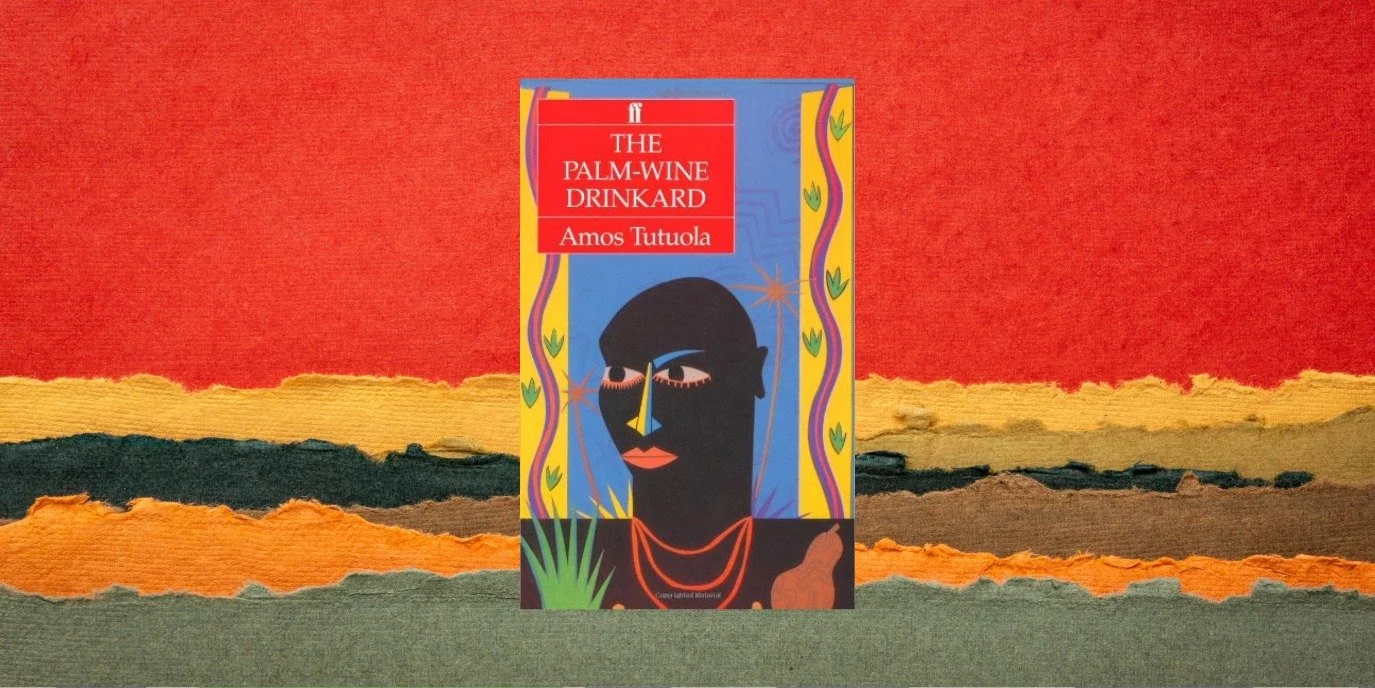
The Palm Wine Drunkard by Amos Tutuola
The Palm Wine Drunkard is a story that takes us deep into a surreal, spiritual world co-existing with the forests and lives of local villagers. It has had many covers since it’s first publishing in 1952. But the one we love is a single, powerful portrait that encompasses a Black, native, man adorned in colourful beads and facial paint, depicting an elevated Shaman-like / medicine man status. The background is a mixture of blue landscapes, leaves and abstract waves that represent the spiritual energy that permeates the story.
The cover feels almost like visual folklore - it embraces the strange humour and mythic energy that define Amos’ storytelling.
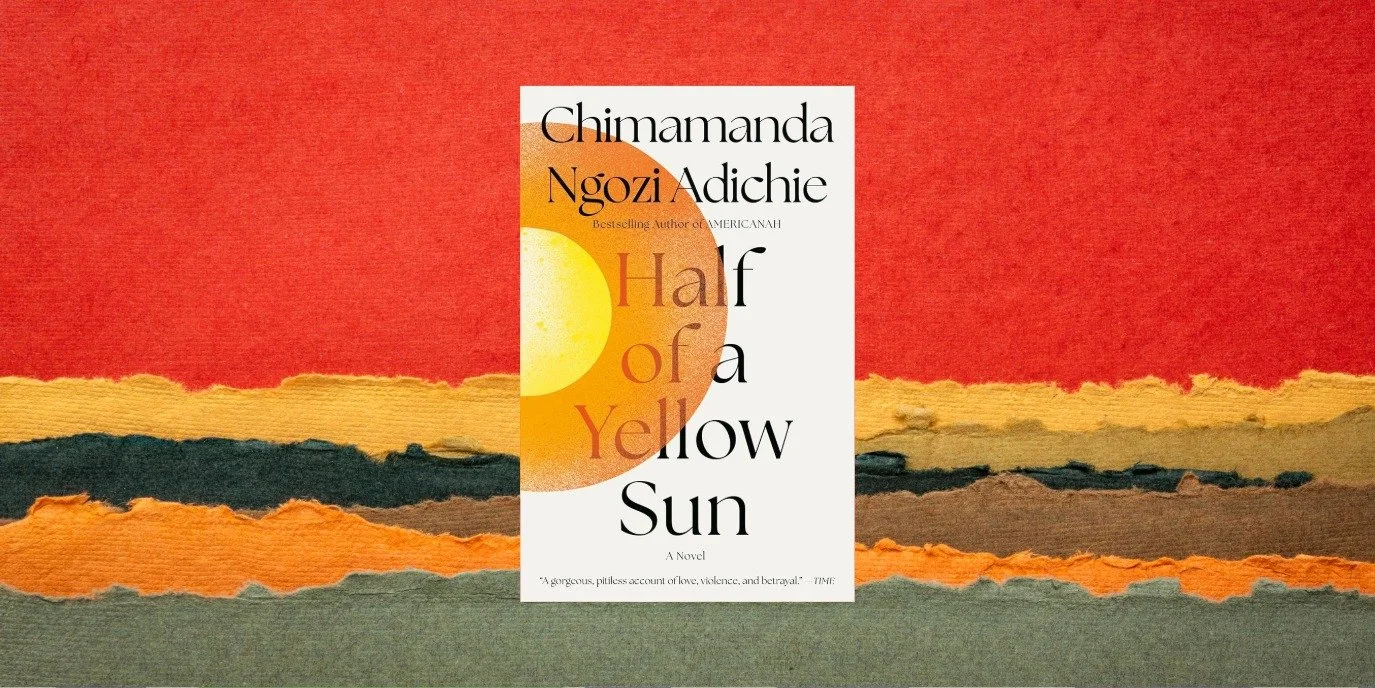
Half of a Yellow Sun by Chimamanda Adichie
Chimamanda’s groundbreaking novel about Nigeria’s civil war and the short-lived Republic of Biafra tells an emotional tale about a group of people caught up in these times. This edition’s cover depicts this beautifully in the illustration of a simple rising half-sun - the emblem of Biafra, the country that would have emerged from the South East of Nigeria.
The design works because the clean, restrained lines are in such contrast to the damage and suffering of those times. But it also evokes a pure kind of hope, mirroring the arc of the novel.
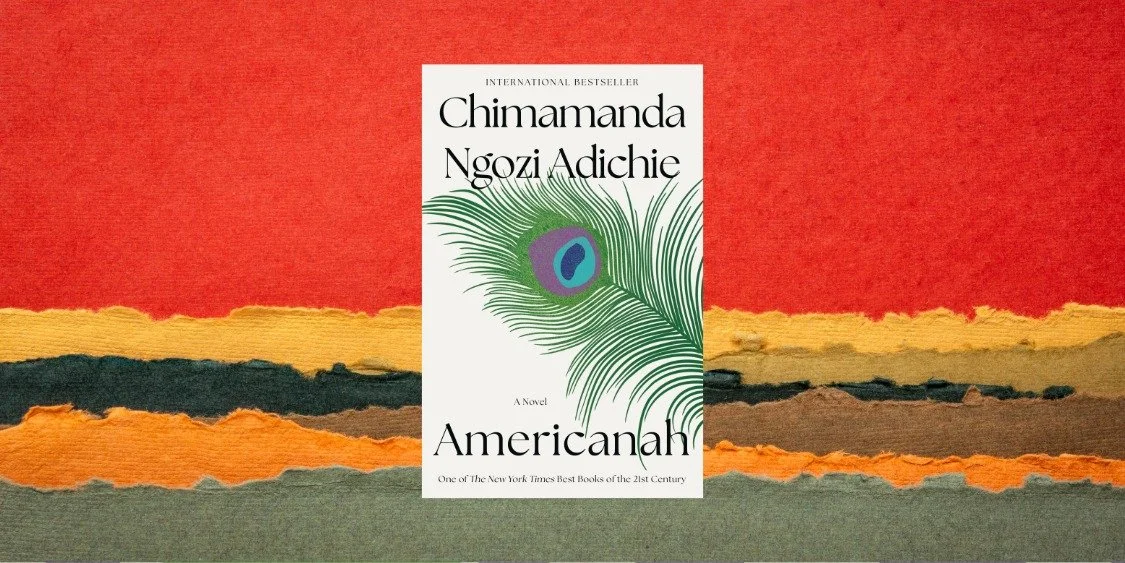
Americanah by Chimamanda Adichie
Another Chimamanda book cover makes the cut for us. In keeping with the minimalist tone that worked so well with Half of a Yellow Sun, this cover features a single peacock feather. The feather in itself is flamboyant and beautiful. But it also looks exactly like hair. This depicts one of the strongest themes in the novel - Black hair and the identity and politics that surrounds it.
The feather, let’s think of it as a braid, curves across the cover like lines of movement, suggesting the journeys that Chimamanda takes us on between Lagos, the US, and London.
Hair is a deeply personal and social practice within Black communities, and this is cleverly and elegantly depicted using this single feather.
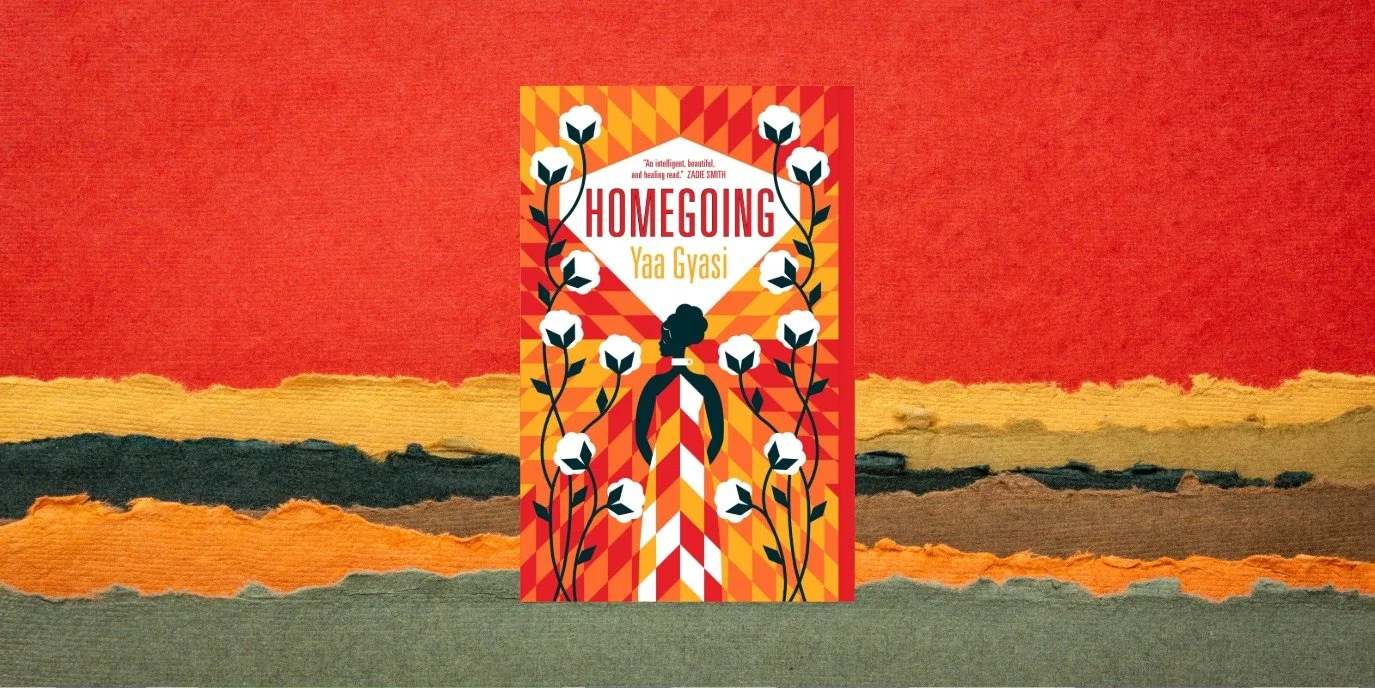
Homegoing by Yaa Gyasi
The cover of Yaa’s Homegoing has become one of the most recognizable designs in contemporary African literature.
Composed of vibrant geometric lines in warm oranges and reds, the cover feels modern but is full of symbolism. The intersecting lines suggest movement, migration, and the branching paths of family history - all themes that sit at the heart of the novel.
The design is visually striking from a distance but reveals more complexity upon closer scrutiny. This mirrors the novel’s structure, which follows generations of descendants (reminiscent in the tall, growing stalks) across continents and centuries.
It is a perfect example of how abstract design can still carry deep narrative meaning.
Things Fall Apart by Chinua Achebe
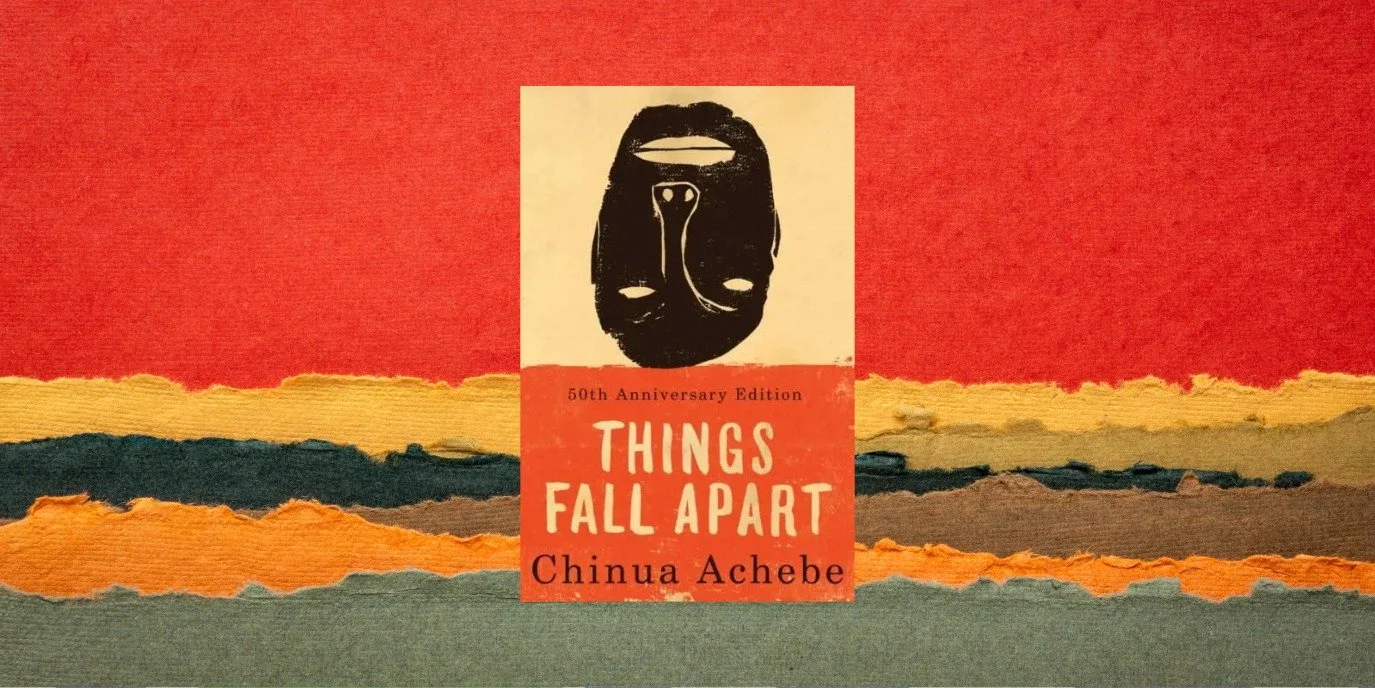
Chinua’s iconic book is a literary masterpiece in how households and communities navigated spirituality and tradition. And how colonialism broke this fragile balance.
Things Fall Apart is storytelling at its finest, about how external forces usher in a new age. The imagery in this edition is particularly beautiful. The deep black mask depicts this native life. Earthy red and black palettes signal the massive internal and external disruptions that abound in the novel. This feeling of strife is further worsened by the mask, depicted upside-down, emotionless, and perhaps even dead.
This simple visual encompasses the feeling you get from reading the novel.
Blessings by Chukwuebuka Ibeh
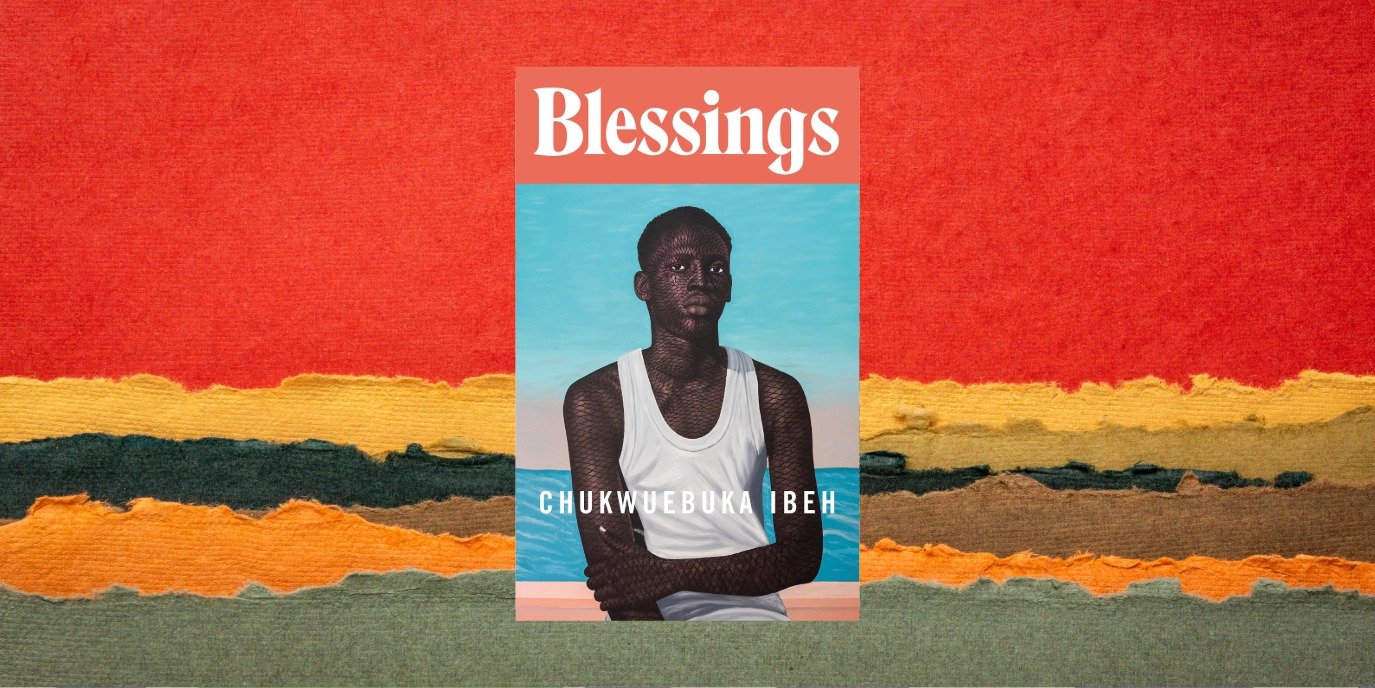
Chukwuebuka’s Blessings is a book that is deeply emotional and personal. Which is why the portraiture approach to the book cover works so well.
In keeping with the theme of the book, this cover is ripe with vivid, bold colours, placing the subject’s human face at the centre. The image feels intimate and direct, mirroring the novel’s deeply personal story of a young Nigerian boy navigating identity, faith, and belonging.
Rather than relying on symbolism like most of the covers on this list, Chukwuebuka’s cover is extremely and emotionally direct, inviting readers to connect even before they open the novel. Themes of love, fear, and self-discovery are evident in the single, direct stare.
For decades, many African writers were first published through European houses, which often shaped how African literature visually appeared to global audiences.
Today, a new generation of African designers, illustrators, and independent publishers is reshaping that visual language. We can’t wait to see how this evolves.