
What Happened to Art NFTs?
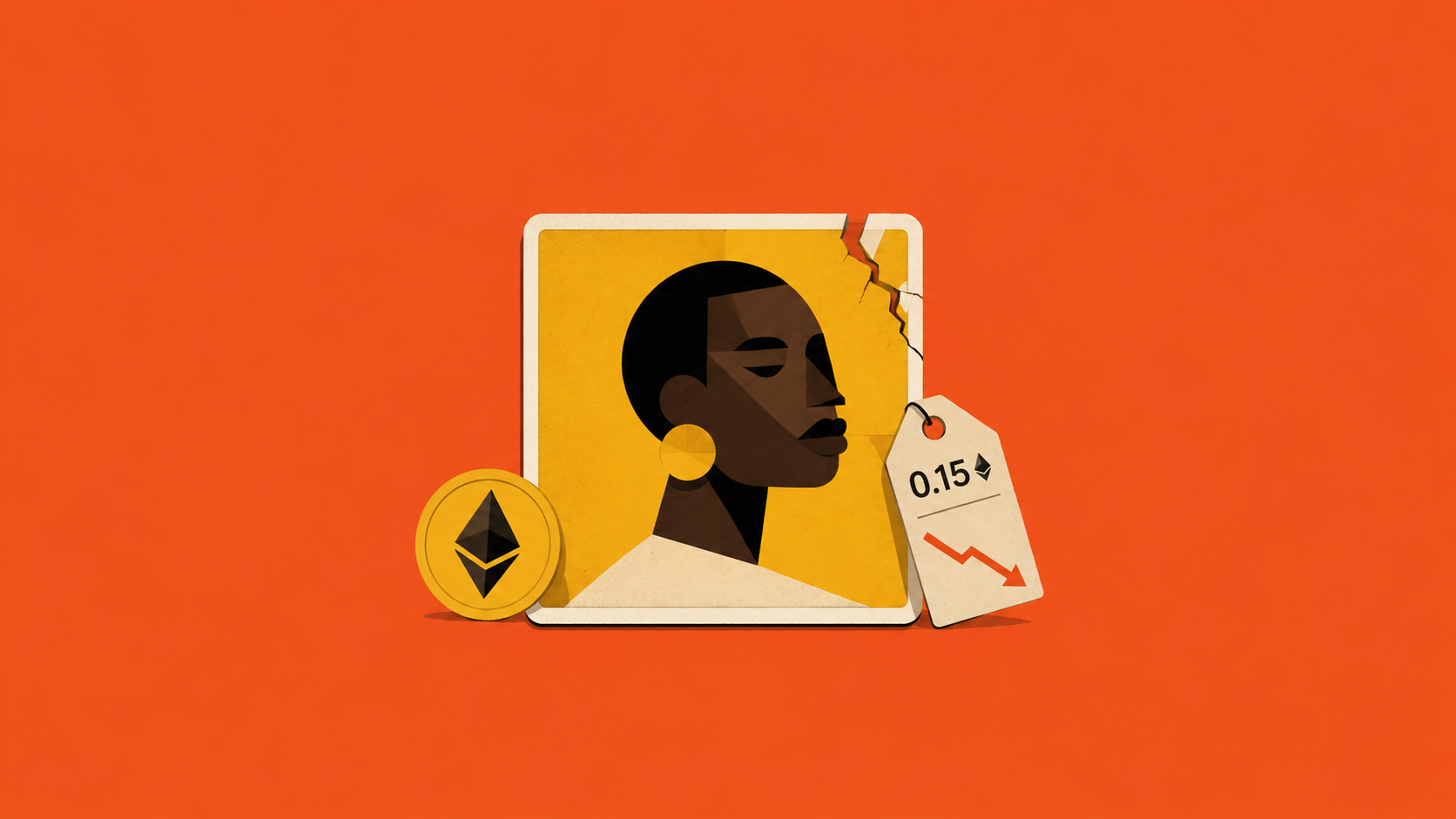
If you lived through 2021, you remember the energy. Everyone was minting something. Pixel art that could take eleven seconds to make was selling for the price of a small house. Celebrities were changing their Twitter profile pictures to monkeys in sailor hats. Facebook was investing billions in the metaverse and people were buying the pixel art for their metaverse houses. The excitement was palpable.
And then…nothing.
So what actually happened? Did NFTs actually die? Are they quietly building the future of digital ownership while no one notices?
First, a quick reminder of how big the bubble actually got
You probably forgot, but in 2021, the art NFT market did around $2.9 billion in trading volume, with Beeple's "Everydays" collage going for $69.3 million at Christie's. For a .jpg file. Jack Dorsey sold a tweet for nearly $3 million. People paid real money for virtual land in a world they'd never physically visit. Bored Apes became a status symbol.
It felt like the start of something. People wrote essays about how this was the future of art and I wrote about the African artists who were at the forefront of this. NFTs were truly innovative, but there were probably signs that it was a bit of a bubble. One that bursted.
So what went wrong?
A lot of things, all at once.
The crypto winter came, and it didn't leave
NFTs are priced in ETH, mostly. So when crypto markets tanked, NFTs tanked harder. The total NFT market cap, which peaked above $17 billion in early 2022, fell below $1.5 billion by early 2026 - a contraction of over 90%.
An example of how brutal this got. Stephen Curry famously bought a Bored Ape for about $178,000 in 2021 but that’s now worth around $41,000 on OpenSea. He could afford the loss but how many people could?
The art market specifically crashed
Art NFT trading crashed much harder than crypto overall. Trading volume collapsed by 93% from $2.9 billion in 2021 to just $23.8 million in early 2025. The average art NFT price went from around $2,000 at the peak to under $500 by 2023. Collectors disappeared because NFTs no longer seemed like an investment. Cause if you can’t flip it, why buy it?
The infrastructure started turning closing down
Nifty Gateway, one of the original premier NFT platforms, shut down in February 2026. JPG Store, the dominant Cardano marketplace, announced it would close on May 23. Immutable shut down its own marketplace too. These marketplaces hosted entire creative economies but their lights are turning off. When the marketplaces disappear, then no one has a place to go to buy and sell. While others like OpenSea, Rarible, and SuperRare still operate, the hype is definitely not mainstream.
Many Web2 giants are walking away
Every brand was launching an NFT in 2021. Starbucks Odyssey. Nike's .Swoosh. Reddit's collectible avatars. They’ve each quietly closed those programs or stopped talking about them. Reddit and Nike have exited the NFT space, and major platforms like OpenSea are expanding to ‘token trading’ and overall digital assets. That’s as clear a signal as any.
But, NFTs aren't actually totally dead
The reality of NFTs is a bit more nuanced though. There are pockets of activity.
CryptoPunks and Bored Apes are still holding on - their NFTs still have something of value. But they’ve continued to thrive cause they now lean in on real, offline communities with activations and limited edition products - real products. Plus, marketplaces still do exist, but they’re diversifying.
All of these NFT applications are increasing - Gaming, ticketing, membership access, music royalties, real-world asset tokenization. Most of this isn’t as exciting as Art NFTs, but they’re being used as part of our digital infrastructure. Much like crypto which is taking new shape, NFTs are being applied in different ways. But art is taking a backseat in this evolution.
Let's bring it back to the artists
In 2021, genuinely, the most exciting thing about NFTs was that that artists from communities that had been locked out of the traditional art market could finally just show up and trade their art. African artists suddenly had a global storefront with royalties on resales and direct relationships with collectors.
A lot of that promise didn't survive the crash. The collectors left. The gas fees got absurd and then got reasonable again only when nobody cared anymore. All but one of the African artist I had featured have gone back to traditional prints and digital art, leaving us with broken links to their Art NFT pages. The one artist that remains from my features, Osinachi, quietly still mints on SuperRare.
And honestly, this might be the artist who ends up winning long term with Art NFTs - the artists who understand that Crypto Art is a long term creative practice with a small, loyal and niche audience. Osinachi was Nigeria’s first crypto artist and is a testament to the fact that those who genuinely loved the craft, not the speculators, are still showing up.